Why is my tree leaning dangerously in Coeur d'Alene
A tree leaning dangerously in Coeur d'Alene ID usually signals root or soil instability, storm damage, or disease. Learn the causes, risks, and when to act.
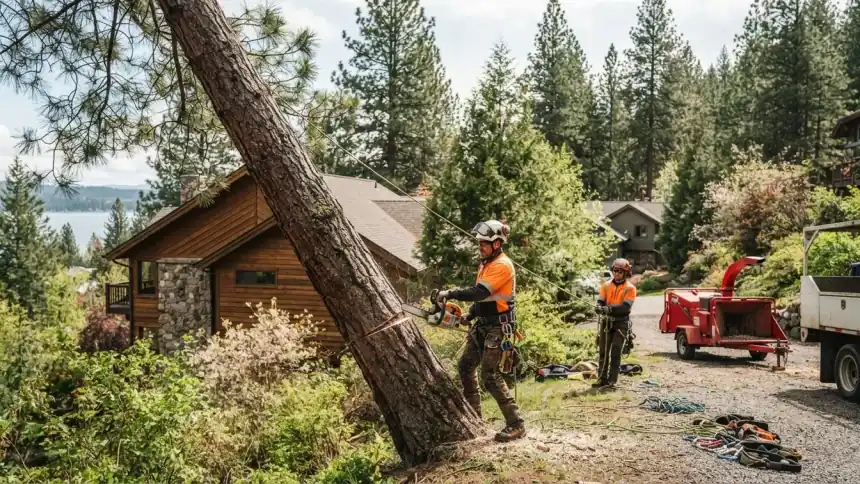
Why is my tree leaning dangerously Coeur d'Alene ID? The primary reasons are root failure, soil instability, storm damage, or disease weakening the tree's structural integrity. These factors cause the tree to tilt at a hazardous angle, risking property and personal safety. This article breaks down the causes, risks, and signs you should watch for, plus expert advice on the best course of action for leaning trees in Coeur d'Alene.
A Coeur d'Alene emergency tree removal is often necessary when a tree poses a threat due to leaning. Understanding why trees lean dangerously in Coeur d'Alene helps you decide when to intervene and how to prevent damage.
Common causes of dangerous leaning trees in Coeur d'Alene
Dangerous leaning tree causes Coeur d'Alene often stem from environmental and biological stressors unique to the region's climate and soil. Here are the most frequent causes:
- Root rot and disease: Fungal infections like Armillaria root rot thrive in Coeur d'Alene's moist soil, decaying roots and destabilizing trees.
- Soil erosion and instability: Slopes near Lake Coeur d'Alene and riverbanks experience soil washouts, undermining root anchorage.
- Storm and wind damage: Heavy October winds and winter snow loads can snap or weaken trunks and roots, causing lean.
- Improper planting or soil compaction: Urban development in areas like Garden District emergency tree removal ID shows many trees planted too shallow or in compacted soil, restricting root growth.
- Pine beetle infestations: Pine beetles kill large sections of trees, leading to structural failure and leaning.
Each cause affects the tree's stability differently, but all increase the likelihood of a tree becoming a hazard.
Why do trees lean dangerously in Coeur d'Alene
Trees lean dangerously in Coeur d'Alene primarily because their root systems no longer provide adequate support. This can happen when roots die from disease, are damaged by construction, or when soil conditions shift due to erosion or saturation. Additionally, strong winds during fall and winter storms exert lateral pressure, pushing weakened trees off vertical alignment.
Coeur d'Alene's varied terrain-ranging from lakeshore to hillside neighborhoods-means soil moisture and stability vary widely, impacting root health. For example, trees near Fernan Lake often show signs of leaning linked to fluctuating water tables and soggy soils.
What are the leaning tree risks in Coeur d'Alene Idaho
Leaning tree risks Coeur d'Alene Idaho include property damage, personal injury, and power outages. A tree leaning more than 15 degrees from vertical is at high risk of falling, especially if the lean worsens over weeks or months.
Specific risks include:
- Damage to homes, vehicles, fences, and outbuildings.
- Injury to residents, pets, or passersby.
- Blocked driveways or roads, especially in neighborhoods like Emergency Tree Removal in Downtown Coeur d'Alene where street access is critical.
- Interference with utility lines, causing outages or fire hazards.
In 2026, Coeur d'Alene has seen a 20% increase in storm-related tree incidents compared to 2025, underscoring the importance of timely intervention.
How to identify dangerous leaning trees in Coeur d'Alene ID
Identifying dangerous leaning trees in Coeur d'Alene ID requires a close inspection of tree posture, root zone, and trunk condition. Key signs include:
- Lean angle greater than 10-15 degrees, especially if recent or worsening.
- Exposed or damaged roots, often on the uphill side of the lean.
- Cracks or splits in the trunk near the base.
- Soil heaving or cracking around the root flare.
- Canopy asymmetry with more weight on one side.
- Fungal growth at the base or on roots, indicating decay.
Documenting these signs over time helps determine if the tree is becoming a hazard. For many Coeur d'Alene homeowners, this assessment triggers the need for emergency tree removal services Coeur d'Alene.
Common mistakes in assessing tree leaning hazard Coeur d'Alene
Homeowners and even some landscapers in Coeur d'Alene often underestimate the severity of leaning trees. Common mistakes include:
- Assuming a slow lean means no immediate risk; in reality, slow progression can lead to sudden failure.
- Ignoring root damage visible only after soil disturbance.
- Confusing natural lean from growth patterns with dangerous leaning caused by structural failure.
- Delaying action until after storm damage occurs, increasing cleanup and repair costs.
- Attempting DIY fixes like staking without professional assessment, which rarely address root or soil issues.
These errors can escalate risk and increase the cost of dangerous tree removal Coeur d'Alene Idaho when finally performed.
When to call a professional for leaning tree removal in Coeur d'Alene
You should call a professional for leaning tree removal in Coeur d'Alene immediately if the tree leans more than 15 degrees, shows root damage or decay, or is near structures or power lines. Rapid lean progression or visible cracks in the trunk also warrant urgent assessment.
Professionals provide a thorough hazardous tree removal service Coeur d'Alene that includes risk evaluation, safe removal, and cleanup. Attempting removal without expertise can be dangerous and cause additional damage.
Frequently Asked Questions
Why is my tree leaning dangerously in Coeur d'Alene?
Your tree is likely leaning dangerously due to root damage, soil erosion, disease, or storm impact weakening its support. These factors cause instability that worsens over time.
Is a leaning tree a safety hazard in Coeur d'Alene ID?
Yes, a leaning tree in Coeur d'Alene ID is a safety hazard when the lean exceeds 15 degrees or the tree shows signs of decay or root failure, risking collapse on people or property.
When should I get emergency tree removal for a leaning tree?
Emergency tree removal is needed if the lean worsens quickly, the tree is near structures, or visible root/trunk damage exists. Immediate action reduces risk and potential damage.
Can leaning trees be saved or should they be removed?
Some leaning trees can be saved with root stabilization or cabling if caught early, but severely damaged or diseased trees usually require removal to prevent hazards.
Who to call for dangerous tree removal in Coeur d'Alene?
Call a licensed emergency tree removal company specializing in hazardous tree removal in Coeur d'Alene to ensure safe, efficient removal and cleanup.
Get help with Emergency Tree Removal in Coeur d'Alene
If you notice a dangerous leaning tree, contact Takedown Co. for prompt and professional Emergency Tree Removal Coeur d'Alene ID. Our team is ready to assess and safely remove hazardous trees to protect your property and loved ones.